
 See Our Latest Article on HelloNation
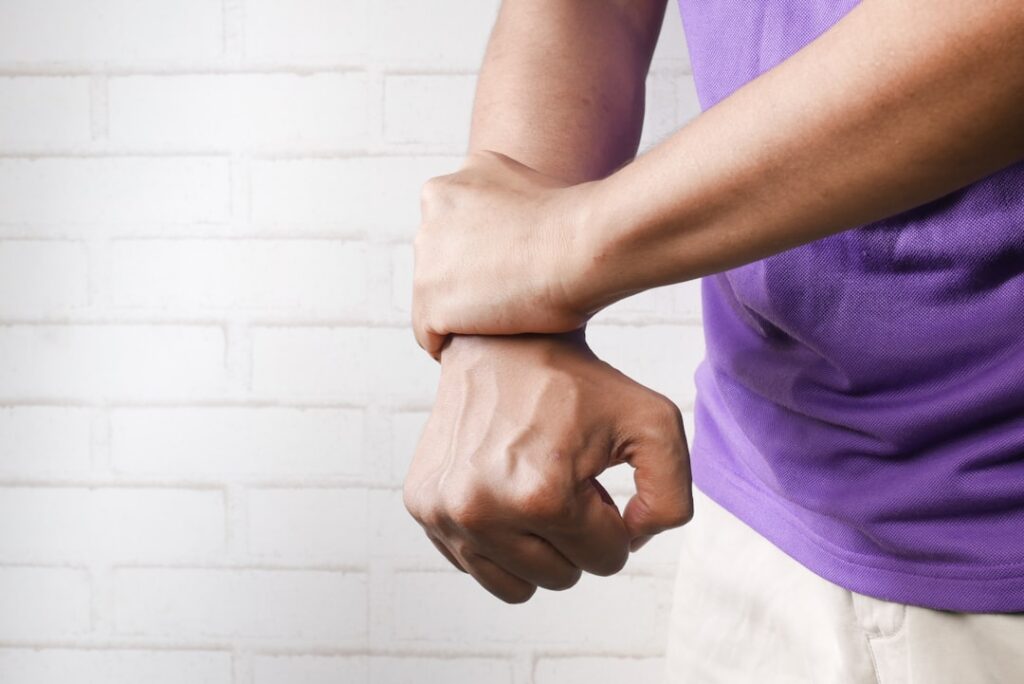
Living in Geneva, New York, nestled at the northern tip of Seneca Lake, offers beautiful views, rich history, and an active lifestyle. But whether you’re typing at Hobart and William Smith Colleges, working with your hands at one of the local wineries, or spending hours gardening in the Finger Lakes sunshine, you might find yourself battling wrist pain, tingling, or numbness—classic symptoms of carpal tunnel syndrome (CTS). Before considering medications or surgery, let’s explore natural ways to relieve carpal tunnel syndrome, tailored to our Geneva way of life.
Understanding Carpal Tunnel Syndrome
Carpal tunnel syndrome occurs when the median nerve, which runs through a narrow passage in your wrist (the carpal tunnel), becomes compressed. This can cause:
- Tingling or numbness in your fingers (especially the thumb, index, and middle finger)
- Weakness in your hand or a tendency to drop objects
- Discomfort that worsens with repetitive tasks
Local activities, such as constant typing at office jobs, repetitive movements at local manufacturing plants, or even pruning grapevines, can increase your risk.
Natural Strategies to Relieve Carpal Tunnel Syndrome
Let’s take a look at some proven, natural methods you can try to ease carpal tunnel symptoms, many of which are easy to incorporate into your Geneva routine.
1. Ergonomic Adjustments at Work and Home
Small changes in your work environment can make a big difference. In Geneva, many residents work in offices, classrooms, or agricultural settings. Try:
- Positioning keyboards and mice so your wrists are neutral (not bent up or down).
- Taking frequent breaks during repetitive tasks—set a timer for every 30-45 minutes.
- Using supportive wrist rests to minimize sustained pressure on your wrists.
For those working in the vineyard or in crafting, consider padded gloves and regular hand stretches.
2. Stretching and Strengthening Exercises
Gentle movements can reduce pressure on the median nerve. Try these simple stretches:
- Wrist Flexor Stretch: Extend your arm, palm up. Use your other hand to gently pull your fingers back. Hold for 15 seconds, repeat 3 times.
- Nerve Gliding Exercises: Open your hand wide, then make a fist. Repeat 10 times, two or three times daily.
- Thumb Stretches: Touch your thumb to each fingertip, then stretch thumb across your palm.
Joining a local Geneva yoga or tai chi class can also help keep your wrists flexible and reduce pain.
3. Cold Therapy and Rest
Carpal tunnel pain can flare after a long day of typing or crafting. Try:
- Applying a cold pack: Wrap a bag of frozen peas in a towel and apply for 10-15 minutes to reduce swelling.
- Resting your hands: Take breaks after long activities. Geneva’s beautiful lakeside parks are perfect for a restorative walk!
4. Wrist Splints at Night
Many people unknowingly bend their wrists while sleeping, aggravating CTS. Wearing a neutral wrist splint at night can keep your wrist aligned and relieve symptoms. You can find these splints at most Geneva pharmacies or health stores.
5. Anti-Inflammatory Diet
Inflammation plays a role in CTS. Geneva’s thriving farmers' markets offer fresh, anti-inflammatory foods. Try these dietary changes:
- Add more foods rich in omega-3s (flaxseeds, walnuts, lake-caught fish)
- Incorporate leafy greens, berries, and cherries
- Limit processed foods and sugary snacks
6. Hand and Wrist Massage
Massage can boost circulation and ease tension. Use gentle, circular motions along your forearm and palm. For deeper relief, consider visiting a local Geneva massage therapist who specializes in hand and arm work.

7. Reduce Repetitive Strain
Find ways to modify repetitive tasks:
- Alternate hands when possible (pouring wine or carrying bags)
- Use ergonomic tools with padded handles for chores
- Rotate activities to give your wrists a chance to recover
8. Mindful Activities and Stress Reduction
Stress can worsen your perception of pain. Geneva offers plenty of relaxing retreats, from lakeside strolls to meditation classes at community centers. Techniques like mindfulness meditation or deep-breathing exercises have been shown to reduce chronic pain sensations.
9. Local Resources: Community Support
You’re not alone in managing carpal tunnel syndrome. Geneva offers:
- Occupational therapy at local medical centers
- Group exercise or yoga in parks and fitness studios
- Health fairs and seminars addressing hand health
By participating, you’ll not only gain knowledge but also the encouragement that comes from community support.
When to See a Professional
Natural remedies can offer significant relief, but sometimes professional help is needed:
- If you notice persistent numbness, weakness, or muscle loss in your hand
- If symptoms interfere with daily activities
- If pain wakes you up nightly
Geneva, NY is home to skilled chiropractors and hand therapists who can assess your situation and recommend options tailored to you.
Conclusion
Living and working in Geneva means your hands are always busy—whether crafting, gardening, teaching, or enjoying local events. With some mindful adjustments and natural strategies, you can take charge of your carpal tunnel symptoms and keep doing what you love. Remember, early intervention is best, and combining home care with professional guidance leads to the best outcomes.
If you have questions about posture, ergonomics, or natural therapies for carpal tunnel syndrome, reach out to a local Geneva health expert for advice customized to your lifestyle.
