
 See Our Latest Article on HelloNation
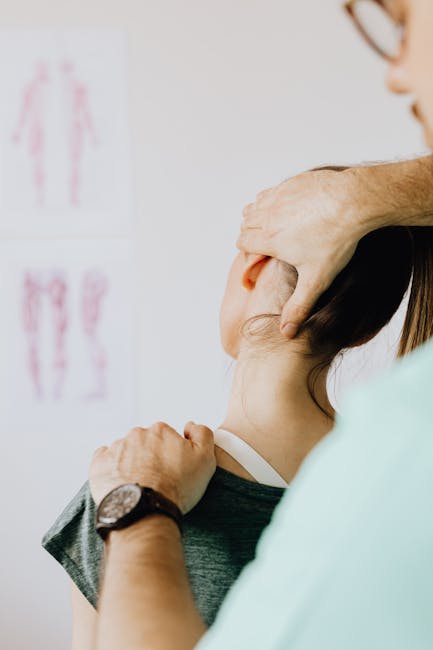
Living in Geneva, New York, means enjoying the tranquil views of Seneca Lake, vibrant farmers' markets, and active days in the Finger Lakes wine country. But the lifestyle here—whether it’s long walks along the waterfront, playing with your kids in Seneca Lake State Park, or gardening in your backyard—often comes with its share of minor aches and pains. Many Geneva locals brush off that stiff neck after a day of yard work or the recurring lower back twinge from shoveling snow in winter. But is it wise to ignore these minor discomforts? As a trusted chiropractor serving our Geneva community, I want to explain why paying attention to small body signals is so important for your long-term health.
Why People Ignore Minor Aches and Pains
- "It’s just a minor sprain."
- "I’m too busy with work or family."
- "Everyone gets sore after physical activity—it’ll go away."
- "I don’t want to make a fuss."
Sound familiar? In Geneva, where people take pride in resilience and independence, it’s normal to downplay discomfort. But even minor aches can be a sign of an underlying issue that may worsen if left unaddressed.
The Body's Warning System
Your body is engineered to warn you when something isn’t working properly. Pain is its way of sending a message. When you repeatedly ignore those messages—like a nagging ache after bending over at work or an occasional twinge while hiking in the Finger Lakes—you risk masking a growing problem. Over time, this can lead to:
- Compensatory movements that strain other muscles or joints
- Chronic inflammation, stiffness, and reduced mobility
- Increased risk of injuries
- Long-term degenerative changes
Common Aches and Pains in Geneva’s Active Community
Here in Geneva, physical activity isn’t just recreation; it’s a way of life. Whether you’re a student athlete at Hobart and William Smith Colleges, a vineyard worker, or just enjoy hiking local trails, you may encounter common issues like:
- Back pain from lifting crates or shoveling in your garden
- Neck or shoulder tension after a day at the office
- Joint stiffness after biking, golfing, or enjoying lake activities
Minor though they seem, these issues should be addressed early.
What Happens If You Don’t Address Minor Aches and Pains?
Small Problems Can Become Big Problems
Consider knee pain after a weekend soccer game at Geneva’s recreation fields. Ignoring it might seem fine for now, but you could be looking at a chronic injury or scar tissue formation later. Chronic pain often begins as something seemingly insignificant.
Impact on Daily Activities and Quality of Life
Unresolved pain doesn’t just stay in one place. It can sap your energy, affect your sleep, and limit your ability to enjoy everything Geneva has to offer—from walking around the Smith Opera House to cycling along scenic trails.
Compensation and Secondary Injuries
When one area hurts, your body tries to compensate, which puts stress on other areas. For example, if you limp from a sore ankle, you might end up with hip or lower back pain. Over time, these compensations can create new, more serious problems.
The Benefits of Early Intervention
Catching and treating minor aches early can:
- Prevent chronic pain conditions
- Avoid more invasive or costly medical interventions down the line
- Restore and maintain your full range of motion for work and recreation
- Help you stay active, so you can fully enjoy Geneva’s lakes, parks, and community events
What You Can Do Right Now
1. Listen to Your Body
Don’t dismiss persistent aches, limited movement, or discomfort that lasts more than a few days. If pain disrupts your sleep or routines—like exploring Geneva’s local shops or working at a vineyard—it’s time to act.
2. Gentle Self-Care
Use ice, heat, or gentle stretching to relieve minor symptoms (but consult a healthcare professional for persistent or severe pain).
3. Maintain Good Posture and Ergonomics
Many Geneva residents spend long hours at desks or standing at local businesses. Proper posture at home and work can help prevent painful conditions.
4. Seek Professional Guidance
Chiropractors, physical therapists, and other musculoskeletal specialists can evaluate and treat the underlying causes of your pain. Even a brief assessment can make a big difference, especially when issues are caught early.
When to Seek Help
If you experience any of the following, it’s important to consult with a healthcare professional:
- Pain lasting more than a few days
- Numbness, tingling, or radiating pain
- Swelling, redness, or obvious joint deformity
- Pain that worsens over time or restricts daily activities
Supporting a Healthy, Active Geneva Community
Geneva, NY, is a place where people value both hard work and a high quality of life. By addressing minor aches and pains promptly, you support your long-term health and the well-being of our whole community. Don’t let little discomforts keep you from enjoying the activities you love—whether it’s kayaking on Seneca Lake, tending your home garden, or supporting the Geneva Panthers at a local game.
Final Thoughts
Minor aches and pains may seem like a small inconvenience, but they’re often the early warning signs your body gives you. By taking them seriously and seeking guidance when necessary, you can prevent bigger health problems down the road. Let’s keep Geneva’s active spirit alive by caring for our bodies—one ache at a time.
