
 See Our Latest Article on HelloNation
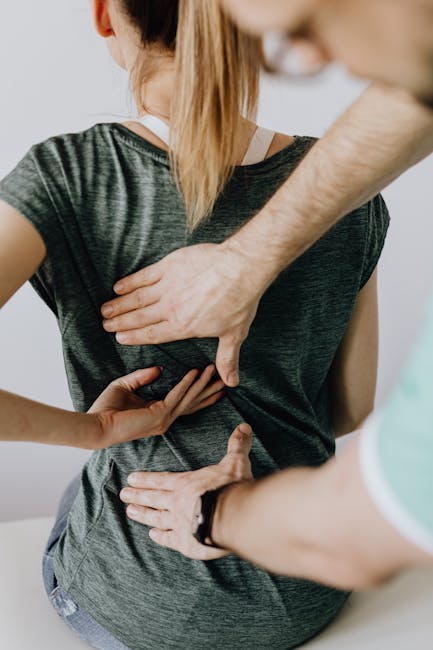
Living in Geneva, NY, many of us enjoy beautiful views of Seneca Lake, scenic hikes at Seneca Lake State Park, or working in our vineyards and farms. But with active lifestyles—or even from long days at a desk—back pain is a common complaint. While most back pain results from muscle strain or poor posture, certain signs and symptoms may indicate a more serious underlying problem. Recognizing these warning signs is crucial for timely intervention and better outcomes.
Persistent Or Worsening Pain
Most minor back aches will improve with rest, gentle stretching, and proper ergonomics. If your pain isn’t improving after a week or two, or it keeps getting worse, take it seriously. Persistent pain isn’t normal and can signal more significant issues such as a herniated disc, spinal arthritis, or even infection.
Pain Accompanied by Fever and Unexplained Weight Loss
If you notice fever, chills, or unexpected weight loss along with your back pain, these could be signs of infection, such as a spinal abscess, or even certain cancers. These symptoms are considered “red flags” and you should not delay seeing a healthcare professional if you experience them.
Pain Following Trauma
In Geneva, NY, outdoor accidents aren’t uncommon—whether from slips on icy walkways in winter, or falls during activities like cycling, kayaking, or gardening on hilly terrain. If your back pain starts after an accident, fall, or injury—especially if you are over 50 or have osteoporosis—there’s a risk of fracture or other significant injury.
- Seek help if the pain started after:
- A car accident on Routes 14 or 5 & 20
- A hard fall on ice in winter
- Lifting heavy equipment or furniture
Radiating Pain Down Your Leg
When back pain radiates into the buttocks, thigh, or down the leg—especially if it follows a shooting or burning sensation—this suggests nerve involvement. Sciatica, from pressure on the sciatic nerve, is common, but similar symptoms can point to more serious nerve compression, which may require prompt evaluation.
Loss of Bladder or Bowel Control
This is a medical emergency. If you suddenly lose control over your bladder or bowels, or feel numbness around your inner thighs, buttocks, or genitals (“saddle anesthesia”), this could indicate cauda equina syndrome—a rare but severe condition that needs immediate medical attention to prevent permanent damage.
Nighttime Pain That Disrupts Sleep
We’re used to a certain level of body aches after a day of working in Geneva’s robust agriculture sector or enjoying recreation at Seneca Lake. But if your back pain is so intense it wakes you from sleep or gets worse at night, it could signal a growth or infection in the spine. Pain that’s worse at rest and not relieved by typical positions may require further investigation.
Weakness, Tingling, or Numbness in Your Arms or Legs
It’s normal to feel a little sore after pruning grapevines, rowing on the lake, or helping out at a local event. However, if you notice new or progressive weakness, tingling, or numbness—especially if it persists—this can mean nerves are affected. If symptoms worsen quickly or interfere with walking or grasping objects, consult a medical provider without delay.
Swelling, Redness, or Deformity
Visible swelling, bruising, or a noticeable change in the shape of your spine can indicate a more serious problem, such as fracture, infection, or severe inflammatory arthritis. These signs are especially concerning if you have other health conditions like diabetes, or a suppressed immune system.
Back Pain and Known Cancer History
If you have a history of cancer (such as breast, prostate, or lung cancer), and you develop new back pain, it should always be evaluated by a healthcare professional. Cancers can sometimes spread to the spine, and early detection is key.
Older Adults With New Back Pain
As Geneva’s population grows older, it’s important to underline that back pain in those over age 50 often needs a closer look. Osteoporosis, spinal stenosis, and even rare infections are more common with age and may require different treatment strategies.
What to Do if You Notice These Signs
If you recognize any of these warning signs in yourself or a loved one, the best advice is to seek a professional evaluation as soon as possible. Early detection and timely treatment can make all the difference.
- Tips for Geneva Residents:
- Don’t ignore pain just because “everyone has some back pain these days”
- Know your local resources: Geneva General Hospital and urgent care centers are equipped to help
- Continue enjoying Geneva’s active lifestyle by practicing back safety and getting regular check-ups
Prevention and When to Ask for Help
Preventing back issues in Geneva starts with self-care—regular exercise (like walking along the lakefront), maintaining a healthy weight, practicing good lifting mechanics, and listening to your body. But, because some conditions can’t be prevented with lifestyle measures alone, knowing when to consult a professional is just as important.
- See a chiropractor or physician if you have:
- New or severe pain
- Pain with neurological symptoms
- Pain after trauma
- Pain that disrupts daily activities or sleep
In Summary
Back pain is common, but certain symptoms are a cause for concern—especially if you’re a resident of Geneva, NY, living an active life or working in physically demanding settings. Knowing when your back pain requires more than just rest can help you stay healthy and enjoy all that our Finger Lakes region has to offer.
If you’re not sure, it’s always better to ask. Stay informed, stay safe, and don’t let back pain keep you from experiencing the best of Geneva.
