
 See Our Latest Article on HelloNation
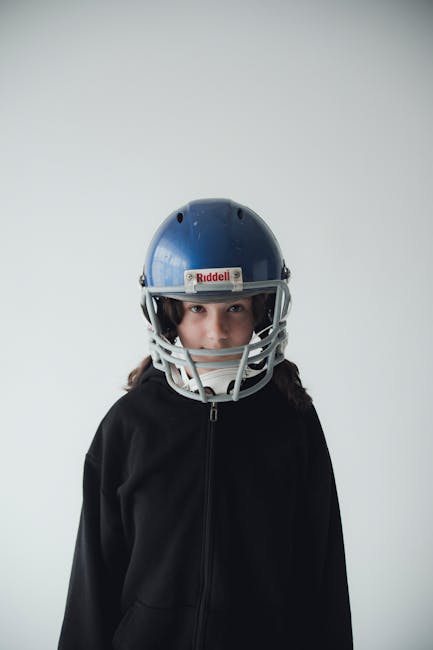
Living in Geneva, NY, with its scenic Finger Lakes, vibrant collegiate sporting events, and active community leagues, offers a rich environment for youth and adults to participate in sports year-round. While being active is vital for health, the risks of sports-related concussions—especially in football, soccer, hockey, lacrosse, and even recreational cycling—are real concerns for parents, athletes, and coaches in the Finger Lakes region. Let’s explore proven strategies and local habits that can help prevent sports concussions and keep Geneva’s athletes safe and thriving.
Understanding Concussions: Basics for Geneva’s Families
A concussion is a type of traumatic brain injury caused by a bump, blow, or jolt to the head—or by a hit to the body that causes the head and brain to move rapidly back and forth. Concussions can affect anyone, but children and teens are especially at risk, given their frequent participation in sports through Geneva schools, Hobart and William Smith Colleges, and community leagues.
Why Prevention Matters for Our Community
The effects of concussions—headaches, confusion, sleep disturbance, memory loss, mood changes—can last weeks, months, or even longer. Repeated concussions may lead to lasting cognitive problems. For Geneva athletes hoping to stay on the field and excel academically, prevention is essential.
Strategies for Preventing Sports Concussions
1. Educate Athletes and Coaches
- Provide annual concussion awareness programs at Geneva schools and sports clubs.
- Teach athletes the signs and symptoms—knowing when to speak up protects teammates.
- Coaches should undergo regular training on concussion protocols and return-to-play rules.
2. Use the Right Protective Equipment
- Require well-fitted helmets for hockey, football, lacrosse, and cycling. The Geneva Youth Hockey Association and local cycling teams can set examples by performing pre-season helmet fittings.
- Encourage mouthguards, which may reduce concussion risk in sports like soccer and basketball.
- Inspect all equipment before each season and replace worn or obsolete gear.
3. Enforce Safe Play
- Strictly penalize high-risk behaviors, like head-first tackling, body checking to the head, and unnecessary roughness.
- Geneva’s high school and club teams can lead by example—local coaches should foster a culture where skill and sportsmanship come before aggressive play.
- Encourage parents to reinforce these values at home and on the sidelines.
4. Strengthen Neck and Core Muscles
- Research indicates that athletes with stronger neck muscles may reduce whiplash motion and lower their risk of concussion.
- Coaches in Geneva can integrate neck and core strengthening exercises into regular practice routines for all ages.
- Examples include chin tucks, resistance band exercises, planks, and yoga-inspired moves—all accessible activities that can be adapted for teams at the Geneva Recreation Center or at home.
5. Promote a “When in Doubt, Sit It Out” Culture
- Athletes, parents, coaches, and trainers should all prioritize brain health over playing time.
- Support athletes who self-report symptoms—even if it means missing a game. Community respect for this guideline helps shift the culture toward safety.
- Geneva’s schools and recreation leagues can model this by featuring stories of athletes who made smart choices and returned to sports healthy and strong.
6. Regular Field and Facility Inspections
- Ensure soccer and football fields, gym floors, and ice rinks (such as Geneva’s own Skating Rink) are well-maintained to minimize slips and falls.
- Remove tripping hazards and ensure surfaces have appropriate padding where possible.
- Local facility managers and sports organizers should conduct walk-throughs each season.
7. Engage Parents and Community Leaders
- Host informational sessions at community centers like the Geneva YMCA, libraries, or after school programs.
- Keep communication open between athletic trainers and parents to monitor young athletes, especially if symptoms of concussion appear after games or practices.
Addressing Concussions in Non-contact Sports
While football and hockey get the most concussion attention, Geneva residents should remember that soccer, basketball, cheerleading, and even swimming (from collisions on pool decks) present risks. Apply preventative best practices across all activities, not just contact sports.
Geneva’s Unique Activity Profile
With Geneva’s lakes, biking trails, and winter sports, we see many opportunities for recreational injuries outside of organized sports. Cyclists, runners, and hikers should:
- Always use appropriate headgear.
- Remain aware of the environment—watch for uneven terrain, wet leaves, and icy patches, all common in upstate NY.
- Follow local trail and path safety recommendations.
- Participate in local safety clinics or workshops run by the City of Geneva Recreation Department.
What to Do If a Concussion Is Suspected
- Immediately remove the athlete from play.
- Observe the individual for symptoms: headache, dizziness, confusion, nausea, sleepiness, or balance issues.
- Seek an evaluation from a healthcare professional with concussion expertise. Geneva’s local healthcare providers and sports medicine specialists are equipped to offer guidelines for safe return-to-play.
- Never rush the process—every brain heals at its own pace.
Building a Safer Sports Community in Geneva
Preventing concussions is a shared responsibility among athletes, coaches, parents, trainers, and community leaders. By emphasizing safety, education, and a culture of respect, Geneva, NY can set a standard for youth and adult sports programs across the Finger Lakes.
Local initiatives, including regular workshops, improved access to equipment, and supportive coaching, can help reduce the risk of sports concussions. Let’s build a community where athletic achievement never comes at the expense of lasting health—so every Geneva athlete can perform well in the game, thrive in the classroom, and enjoy lifelong activity in our beautiful region.
