
 See Our Latest Article on HelloNation
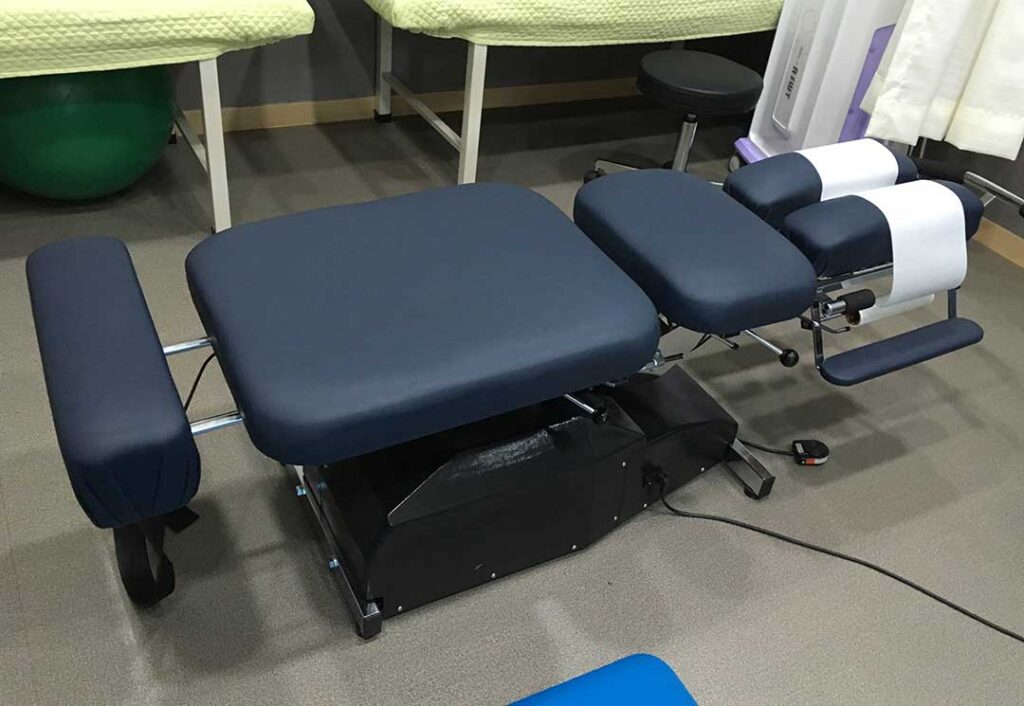
Chronic back pain can make sleep difficult, while poor sleep may increase sensitivity to pain the next day. The goal is not to find one “perfect” sleeping position, but to reduce strain, support comfortable movement, and address habits that keep the back irritated overnight.
Why does chronic back pain interfere with sleep?
Back pain can make it difficult to fall asleep, cause repeated waking, or create stiffness when getting out of bed. Pain may also lead to protective muscle tension: the body braces around the painful area, making it harder to relax.
Sleep disruption can become part of a cycle. Less sleep may reduce energy for movement during the day, increase stress, and make ordinary discomfort feel more intense. That does not mean the pain is “just in the mind.” Pain is influenced by physical, nervous-system, emotional, and environmental factors.
For residents in Geneva, seasonal conditions may also affect routines. Cold winter temperatures can encourage longer periods of sitting and less outdoor activity, while changes in daylight may shift sleep schedules. Maintaining gentle movement and a regular bedtime routine can help limit those effects.
What sleeping position is best for a painful back?
There is no single sleeping position that works for everyone. A useful position is one that allows the back and hips to relax without increasing symptoms in the legs, buttocks, or lower back. Health guidance generally emphasizes comfort rather than forcing the body into a rigid posture. ([hey.nhs.uk](https://www.hey.nhs.uk/patient-leaflet/back-pain/?utm_source=openai))
Side sleeping
If lying on the side feels comfortable:
- Keep the knees slightly bent rather than tightly curled toward the chest.
- Place a pillow between the knees if it reduces twisting through the pelvis.
- Keep the head supported so the neck remains roughly level with the spine.
- Change sides when staying in one position becomes uncomfortable.
A pillow between the knees is not mandatory. It is simply a practical experiment. If it creates more hip or back tension, remove it or use a thinner pillow.
Back sleeping
If lying on the back is comfortable:
- Try a pillow beneath the knees to reduce pulling through the lower back.
- Use enough head support to keep the neck relaxed, but avoid a stack that pushes the chin toward the chest.
- Consider a small folded towel under the lower legs if it feels more supportive.
Stomach sleeping
Stomach sleeping can increase arching or rotation in the lower back for some people, but it is not automatically harmful. If it is the only position that allows sleep, avoid forcing a sudden change. A thinner pillow under the head may reduce neck rotation, and a small pillow beneath the hips may help some people. Stop using any support that increases pain, numbness, or tingling.
Can a mattress or pillow fix chronic back pain?
A mattress cannot correct every cause of back pain, and there is no universally proven “best” firmness. The most useful test is how the person feels during the night and for the first several minutes after getting up.
Look for practical signs:
- Pain is not consistently worse after several hours in bed.
- The body can change position without a sharp increase in symptoms.
- The mattress does not create a pronounced sag or force the hips and shoulders into awkward angles.
- The pillow supports the head without bending the neck sharply upward or downward.
Before replacing a mattress, try small, reversible adjustments. Change pillow height, test a knee cushion, or alter the position of the legs. Expensive bedding is not required for these experiments.
What should be done before bedtime?
A calm transition into sleep may be more helpful than aggressive stretching. About 30 to 60 minutes before bed, consider:
- A short, easy walk around the home or neighborhood, if walking is comfortable.
- Gentle mobility movements that do not reproduce leg pain, numbness, or sharp back pain.
- A warm shower or a heating pad used according to safety instructions.
- Lower lighting and reduced screen use.
- A consistent bedtime and wake time, including on weekends.
- Relaxed breathing, progressive muscle relaxation, or another quiet activity.

The aim is to reduce guarding without provoking a flare. Stretching harder is not necessarily better. If a movement causes symptoms to travel farther down a leg, creates weakness, or leaves pain noticeably worse afterward, stop that movement.
Guidelines for chronic low back pain generally support continued normal activity and self-management rather than prolonged bed rest. Exercise, movement-based care, relaxation strategies, and other non-drug approaches may be considered based on a person’s symptoms and capabilities. ([doi.org](https://doi.org/10.7326%2Fm16-2367?utm_source=openai))
What if pain wakes someone during the night?
Avoid treating every awakening as an emergency or assuming the spine has been damaged. First, make a small position change. Roll to the side before pushing up with the arms, walk briefly if that feels better, and return to bed when the body has settled.
Keep a simple record for several nights:
- Which position you started in
- When the pain woke you
- Whether symptoms stayed in the back or moved into a leg
- What helped you return to sleep
- How stiff or painful you felt in the morning
This information can reveal patterns. For example, symptoms may be linked to prolonged stillness, a particular position, late-evening activity, or long periods of sitting during the day.
Do not repeatedly check, stretch, or brace the back throughout the night if those actions increase alertness. Excessive monitoring can make it harder to return to sleep.
When is nighttime back pain a reason to seek medical evaluation?
Back pain that repeatedly wakes a person, steadily worsens, or occurs with other concerning symptoms deserves medical assessment. Seek urgent care for back pain accompanied by:
- New loss of bladder or bowel control
- Numbness around the groin or inner thighs
- Significant or progressive leg weakness
- Severe pain after a major fall or collision
- Fever, unexplained weight loss, or feeling seriously ill
- A history of cancer, significant infection, or a weakened immune system
Night pain alone does not prove a dangerous condition, but persistent pain at rest or during sleep should not be dismissed—especially when it is new or different. Clinical guidance recommends evaluating symptoms in context rather than relying on imaging or a single symptom by itself. ([nice.org.uk](https://www.nice.org.uk/guidance/ng59/chapter/Recommendations))
How does chiropractic care fit into sleep and back-pain management?
Chiropractic care may be one part of a broader plan for some adults with chronic low back pain. Evidence-based care should include a clear assessment, discussion of goals, attention to activity and exercise, and referral or coordination with medical care when symptoms suggest a condition outside routine musculoskeletal pain.
Spinal manipulation is listed among possible nonpharmacologic options for chronic low back pain, but it is not appropriate for every person and is not a substitute for evaluation of neurological symptoms or serious underlying disease. ([doi.org](https://doi.org/10.7326%2Fm16-2367?utm_source=openai))
For many households, the most useful starting point is modest: choose the least painful sleep position, support the knees or hips if helpful, keep daytime movement within tolerance, and track what changes symptoms. If sleep remains poor for several weeks, or pain is interfering with work, walking, or ordinary activities, an individualized clinical assessment can help clarify the next step.
