
 See Our Latest Article on HelloNation
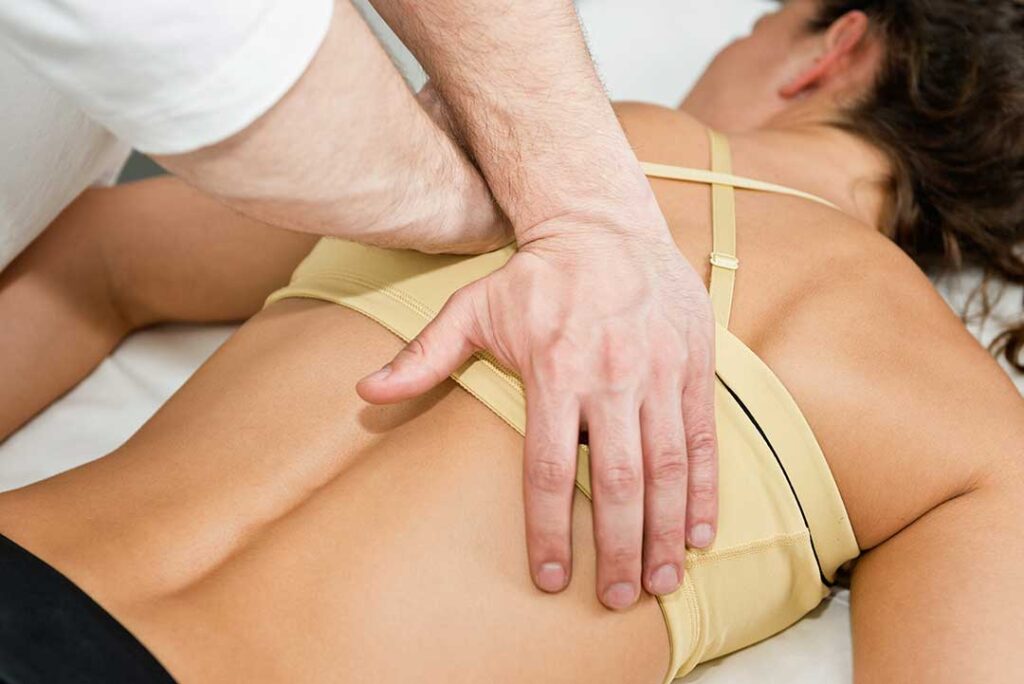
Tension headaches often feel like steady pressure, a tight band around the head, or aching that extends through the temples, scalp, neck, and shoulders. Gentle stretching may reduce muscle tension, especially when headaches are linked to prolonged computer work, stress, jaw clenching, poor posture, or sleeping with the neck in an awkward position. ([medlineplus.gov](https://medlineplus.gov/ency/article/000797.htm?utm_source=openai))
Stretching should feel mild and controlled—not sharp, forceful, or painful. The following routine is appropriate for many adults with uncomplicated neck and shoulder tightness, but it should not replace medical evaluation when headache symptoms are unusual, severe, or persistent.
Which stretches may help a tension headache?
The most useful movements usually target the neck, upper shoulders, chest, and upper back. These areas can become tense during desk work, driving, reading, household tasks, or extended phone use.
Try the following sequence while sitting or standing with both feet supported:
Chin tuck
A chin tuck helps reduce forward-head posture without bending the neck aggressively.
- Sit upright and look straight ahead.
- Gently draw the chin backward, as though making a small “double chin.”
- Keep the head level rather than looking down.
- Hold for 3 to 5 seconds, then relax.
- Repeat 5 to 10 times.
The movement should be small. Do not force the chin toward the chest or tighten the jaw.
Side neck stretch
This stretch targets the muscles along the side of the neck.
- Sit tall with the shoulders relaxed.
- Slowly bring the right ear toward the right shoulder.
- Stop when a gentle stretch is felt on the left side of the neck.
- Hold for 15 to 20 seconds while breathing normally.
- Repeat on the opposite side.
Keep the face pointing forward. Avoid lifting the shoulder toward the ear or pulling the head down with the hand.
Neck rotation
Limited neck movement can contribute to stiffness around the base of the skull and upper shoulders.
- Turn the head slowly to the right, as if looking over the shoulder.
- Stop at a comfortable point of tension.
- Hold for about 10 seconds.
- Return to center and repeat to the left.
- Complete 3 repetitions per side.
Move only within a comfortable range. A gentle stretch is expected; dizziness, sharp pain, tingling, or visual changes are not.
Upper trapezius and shoulder release
The upper trapezius muscles run between the neck and shoulders and often tighten during stress or concentrated work.
- Sit on one hand or hold the edge of the chair with that hand.
- Tilt the head away from that side.
- Slightly turn the nose toward the opposite armpit if this remains comfortable.
- Hold for 15 to 20 seconds.
- Switch sides.
Do not shrug the shoulders during the stretch. Let them feel heavy and relaxed.
Chest-opening stretch
Tight chest muscles may encourage rounded shoulders and forward-head posture.
- Stand in a doorway or place both hands behind the back.
- Gently draw the shoulders down and back.
- Lift the breastbone slightly without arching the lower back.
- Hold for 15 to 20 seconds.
- Repeat 2 or 3 times.
This should create a mild stretch across the chest, not pain in the shoulder joints.
Shoulder rolls
Shoulder rolls can be useful when tension builds gradually.
- Lift both shoulders toward the ears.
- Move them back, down, and forward in a slow circular motion.
- Complete 5 circles in one direction and 5 in the other.
- Keep breathing steadily.
This is a movement exercise rather than a forceful stretch. Smaller circles are often more comfortable than large ones.
How should stretching be done during a headache?
Stretching is usually most comfortable in a quiet, warm setting. A warm shower or heating pad used safely for a short period may help relax tight neck and shoulder muscles before movement. Heat and gentle exercise are commonly suggested for headaches accompanied by neck pain. ([nhs.uk](https://www.nhs.uk/conditions/tension-headaches/?utm_source=openai))
Use slow breathing during each stretch. Try inhaling through the nose and exhaling gradually while allowing the shoulders and jaw to loosen. Many people unknowingly clench their teeth during concentration or stress, so keep the teeth slightly apart and the tongue relaxed.
A brief routine of 5 to 10 minutes may be enough. Stretching more forcefully or holding a position for a long time does not necessarily provide greater relief.
How often should neck stretches be performed?
For prevention, gentle neck and shoulder movement every hour can be more practical than doing one long session at the end of the day. MedlinePlus recommends exercising the neck and shoulders regularly during computer work or other close activities. ([medlineplus.gov](https://medlineplus.gov/ency/article/000797.htm?utm_source=openai))
Residents managing winter conditions may also notice more stiffness when they spend long periods indoors, sit near drafts, or remain inactive during cold weather. Keeping the neck comfortably warm, changing positions, and taking short movement breaks can help reduce prolonged muscle tension.
A simple work or home routine might include:
- Chin tucks every 1 to 2 hours.
- Shoulder rolls during phone or computer breaks.
- Side neck stretches once or twice during the day.
- A short walk to restore movement in the neck, shoulders, and upper back.
- Checking whether the screen, book, or work surface is positioned near eye level.
The goal is regular, comfortable movement rather than stretching through pain.
What mistakes can make the headache worse?
Several common habits can irritate already-sensitive muscles:
- Pulling the head forcefully with the hand.
- Making fast or repeated neck circles.
- Stretching immediately after a neck injury without medical guidance.
- Holding the breath or clenching the teeth.
- Working for hours with the head angled down.
- Assuming every headache is caused by muscle tension.
Neck circles are especially easy to overdo because they combine rotation, extension, and side bending. Controlled individual movements are generally easier to monitor.
If a stretch increases headache intensity, causes arm symptoms, or leaves the neck more painful afterward, stop that movement. A recent fall, collision, sports injury, or sudden neck strain is a reason to use extra caution before beginning exercises. ([medlineplus.gov](https://www.medlineplus.gov/ency/patientinstructions/000802.htm?utm_source=openai))
How can someone tell whether it may be a tension headache?
Tension headaches commonly cause dull or pressure-like pain on both sides of the head, with tenderness in the scalp, temples, neck, or shoulders. Nausea and vomiting are less typical than they are with migraine. ([medlineplus.gov](https://medlineplus.gov/ency/article/000797.htm?utm_source=openai))
That pattern is not a diagnosis. Headache symptoms can overlap, and a person may experience more than one type of headache. Keeping a brief record of timing, duration, sleep, hydration, screen use, stress, jaw clenching, and possible triggers can help identify patterns.
When should a headache be evaluated urgently?
Seek urgent medical care for a headache that is sudden and extremely severe, follows a head injury, or occurs with weakness, numbness, confusion, fainting, trouble speaking, loss of vision, fever, or a stiff neck. New or progressively worsening headaches also deserve medical evaluation.
Routine medical advice is appropriate when headaches are frequent, interfere with sleep or daily activities, change in character, or require pain medicine often. Stretching may help muscle-related discomfort, but it should not be used to delay evaluation of symptoms that do not fit a familiar tension-headache pattern.
