
 See Our Latest Article on HelloNation
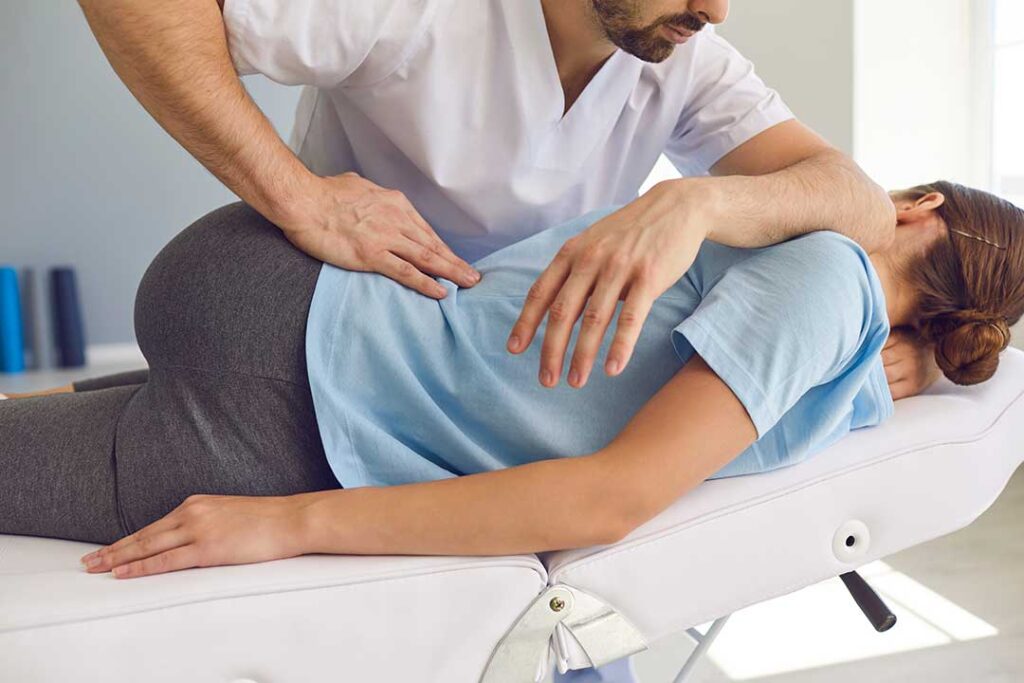
Maintaining a healthy spine is less about finding a perfect posture or avoiding every physical task and more about building consistent movement, strength, recovery, and lifting habits. For residents of Geneva, NY, seasonal chores, winter walking conditions, long commutes, desk work, and home maintenance can all affect how the back and neck feel.
What does a healthy spine need each day?
A healthy spine benefits from regular movement, supportive muscles, adequate rest, and a gradual approach to physical activity. Staying in one position for too long—whether sitting at a desk, standing at a workbench, or resting in bed—can increase stiffness and discomfort.
The spine is designed to move. Helpful daily habits include:
- Changing positions every 30 to 60 minutes
- Taking short walking or stretching breaks
- Using the legs and hips during lifting
- Building strength gradually
- Sleeping in a position that feels comfortable and supported
- Returning to normal activity after minor soreness instead of remaining inactive for long periods
Short periods of movement throughout the day can be more realistic and sustainable than relying on a single intense workout.
How much exercise helps protect the back?
Adults should aim for at least 150 minutes of moderate-intensity physical activity each week, along with muscle-strengthening activities on two or more days. Brisk walking, cycling, water exercise, and similar activities can support general fitness without requiring high-impact training. ([cdc.gov](https://www.cdc.gov/physical-activity-basics/guidelines/adults.html?CDC_AAref_Val=https%3A%2F%2Fwww.cdc.gov%2Fphysicalactivity%2Fbasics%2Fadults%2F&utm_source=openai))
Strengthening should involve the major muscle groups, including the legs, hips, abdomen, and back. A balanced routine might include:
- Sit-to-stand movements from a sturdy chair
- Step-ups on a secure step
- Glute bridges
- Bird-dog movements
- Wall push-ups
- Resistance-band rows
- Gentle balance exercises
The right starting point depends on age, fitness, prior injuries, and medical conditions. Someone returning to exercise after months of inactivity should begin with manageable sessions and increase duration or resistance slowly. Back pain is more likely when a person suddenly performs strenuous activity after being inactive. ([niams.nih.gov](https://www.niams.nih.gov/health-topics/back-pain?utm_source=openai))
Walking on cleared sidewalks or indoor routes can be a practical option during icy periods. In winter, the goal is not simply to walk farther; it is to move safely and avoid rushing across slippery surfaces.
Is posture the main cause of back pain?
Posture matters, but there is no single “perfect” position that prevents all pain. Remaining in one posture for a long time is often more troublesome than occasionally sitting, standing, or bending imperfectly.
For desk or computer work, try to:
- Keep both feet supported when possible
- Position the screen near eye level
- Let the shoulders relax instead of lifting them toward the ears
- Keep frequently used items within easy reach
- Shift position regularly rather than holding a rigid posture
At home, the same principle applies to reading, using a phone, watching television, or doing paperwork. A supportive chair can help, but even a well-designed chair cannot replace movement breaks.
A common misconception is that every spinal curve or rounded shoulder position is harmful. Bodies vary, and posture naturally changes during the day. Comfort, movement variety, and the ability to perform daily activities are more useful goals than trying to hold the body stiffly.
What is the safest way to lift household or seasonal items?
Lifting injuries often occur when weight, twisting, awkward reach, and fatigue occur together. Snow equipment, bags of soil, storage containers, laundry baskets, and home repair materials can all place stress on the back when handled quickly.
Before lifting:
- Estimate the weight and clear the path
- Move closer to the object
- Keep the load near the middle of the body
- Bend through the hips and knees rather than rounding only through the lower back
- Tighten the abdomen gently
- Lift smoothly without jerking
- Turn with the feet instead of twisting the trunk while carrying
If an object is too heavy or bulky to control safely, divide it into smaller loads or ask for assistance. Making several trips is often safer than carrying everything at once. The National Institute of Arthritis and Musculoskeletal and Skin Diseases also recommends using the legs and abdominal muscles during lifting and avoiding activities that increase pain. ([niams.nih.gov](https://www.niams.nih.gov/health-topics/back-pain/diagnosis-treatment-and-steps-to-take?utm_source=openai))
How can sleep support spinal comfort?
Sleep does not need to follow one universal rule. The most supportive position is usually the one that allows relaxed breathing and does not increase symptoms.
Some people are more comfortable:
- On the side with a pillow between the knees
- On the back with a pillow beneath the knees
- With a pillow that keeps the neck in a neutral position
Sleeping on the stomach may place extra strain on the neck for some people, but comfort and individual response still matter. A mattress does not have to be extremely firm to support the spine. Waking with persistent pain, numbness, or weakness deserves attention rather than simply replacing bedding repeatedly.
Sleep quality also affects pain sensitivity, muscle recovery, and energy for physical activity. A consistent sleep schedule and a comfortable, dark, quiet room may help support recovery.
What should someone do after mild back soreness?
For ordinary muscle soreness, gentle movement is generally preferable to prolonged bed rest. Easy walking, changing positions, and temporarily reducing activities that clearly worsen symptoms may help. NIAMS advises limiting painful activities while gradually increasing movement as tolerated rather than remaining on bed rest. ([niams.nih.gov](https://www.niams.nih.gov/health-topics/back-pain/diagnosis-treatment-and-steps-to-take?utm_source=openai))
Avoid testing the back repeatedly with heavy lifting, deep bending, or intense exercise while it is irritated. Ice or heat may provide short-term comfort for some people, although neither addresses every cause of pain.
Pain that continues, repeatedly returns, travels into an arm or leg, or interferes with sleep and daily activities should be evaluated by an appropriate healthcare professional. The cause may involve muscles, joints, discs, nerves, or conditions outside the spine, so self-diagnosis is unreliable.
Which symptoms require urgent medical attention?
Most back discomfort is not an emergency, but certain symptoms should not be ignored. Seek prompt medical evaluation for back pain accompanied by:
- New or worsening weakness in an arm or leg
- Loss of bladder or bowel control
- Numbness around the inner thighs, buttocks, or genital area
- Fever or signs of infection
- Major trauma, such as a fall or vehicle collision
- Unexplained weight loss
- Severe pain that is rapidly worsening or unlike previous episodes
Rarely, back pain can signal a serious condition such as infection, fracture, cancer, or significant nerve compression. ([nhs.uk](https://www.nhs.uk/conditions/back-pain/?utm_source=openai))
How can residents build a realistic spine-care routine?
A practical routine does not need special equipment. Consider attaching spine-supportive habits to activities already part of the day:
- Walk for five to ten minutes after a meal
- Perform gentle strength exercises twice weekly
- Stand and change position during phone calls
- Break up long periods of driving with brief movement stops
- Use care when clearing snow, carrying groceries, or rearranging storage
- Warm up before vigorous yardwork or recreational activity
- Resume outdoor activities gradually after winter inactivity
The goal is not to avoid all bending, lifting, or exertion. It is to prepare the body, use controlled movement, and respond early when pain or fatigue changes normal function.
