
 See Our Latest Article on HelloNation
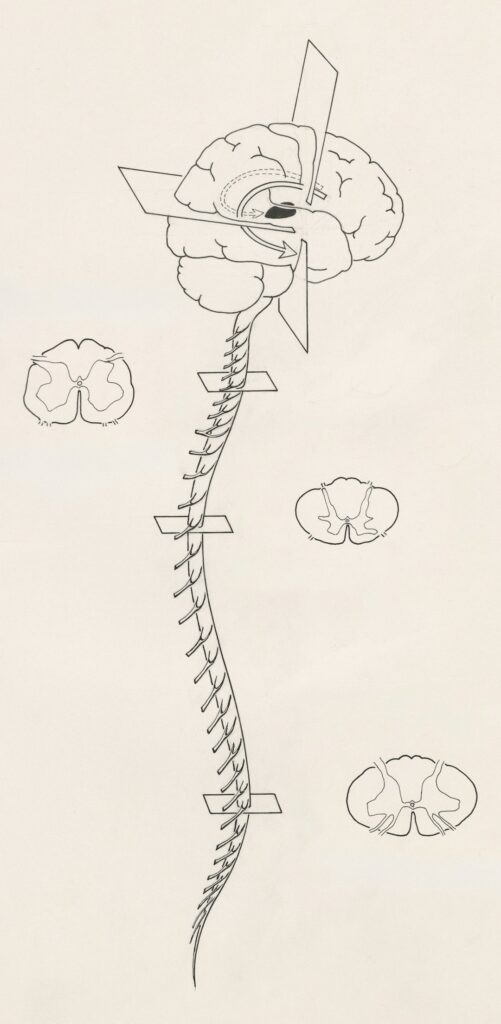
A herniated disc can cause anything from localized back or neck pain to sharp, radiating symptoms in an arm or leg. Although the condition may sound serious, many people improve with conservative care rather than surgery. Understanding what a disc does, how nerve irritation develops, and where chiropractic care fits can help residents make informed decisions.
What is a herniated disc?
A herniated disc occurs when the softer inner material of a spinal disc pushes through a weakened or damaged area of its tougher outer layer. Spinal discs sit between the vertebrae and act as cushions while allowing the spine to bend and move.
A disc may herniate in the neck, upper back, or lower back, although the lower back is a common location. The problem becomes more significant when the displaced material irritates or compresses a nearby spinal nerve.
Common causes include:
- Gradual age-related disc wear
- Repeated lifting, bending, or twisting
- A sudden injury or fall
- Poor lifting mechanics
- Prolonged sitting or limited physical activity
- Jobs or household tasks that place repeated stress on the spine
In a community such as Geneva, seasonal activities may also affect symptoms. Snow removal, moving outdoor equipment, yard work, and long periods of sitting during winter travel can all aggravate an already sensitive back.
What symptoms can a herniated disc cause?
Symptoms depend on the location of the disc and whether a nerve is affected. A small herniation may cause no symptoms at all, while a larger one can produce substantial pain.
Possible symptoms include:
- Lower back or neck pain
- Pain that travels into the buttock, hip, leg, shoulder, or arm
- Numbness or tingling
- Muscle weakness
- Burning, electric, or stabbing sensations
- Pain that worsens with coughing, sneezing, sitting, or certain movements
A herniated disc in the lower back may irritate a nerve that travels down the leg, producing symptoms commonly called sciatica. A disc problem in the neck may cause pain, tingling, or weakness extending into the shoulder, arm, or hand.
Not every episode of back pain is caused by a herniated disc. Muscle strain, arthritis, spinal stenosis, sacroiliac joint irritation, and other conditions can produce similar symptoms.
How is a herniated disc diagnosed?
Diagnosis usually begins with a health history and physical examination. The evaluation may include checking strength, reflexes, sensation, walking ability, and the movements that increase or relieve symptoms.
Imaging is not always needed immediately. Many people improve over days or weeks, and an MRI may be reserved for symptoms that persist, worsen, or suggest significant nerve involvement. Imaging can show a disc bulge or herniation, but an abnormal finding does not always explain a person’s pain. Disc changes are common, especially with age, even in people who have no symptoms.
A careful examination matters because treatment should address the person’s actual symptoms and functional limitations, not only an image.
Can chiropractic care help a herniated disc?
Chiropractic care may help some people manage pain, improve movement, and return gradually to normal activities. It does not physically “push a disc back into place,” and there is no reliable treatment that guarantees a herniated disc will disappear immediately.
Depending on the examination, care may include:
- Gentle spinal mobilization
- Carefully selected manual techniques
- Soft-tissue work
- Movement and posture education
- Recommendations for gradual activity
- Exercises intended to improve strength, mobility, and tolerance for daily tasks
Spinal manipulation is one option studied for low-back pain, but evidence does not support using the same technique for every disc problem. A person with significant nerve compression, worsening weakness, severe inflammation, osteoporosis, recent trauma, or other health concerns may need a different approach or medical evaluation before manual treatment is considered.
The goal is generally symptom control and improved function while the body heals. Chiropractic care may be used alone for appropriate cases or coordinated with medical care, physical therapy, medication management, or other treatment.
Is spinal adjustment safe with a herniated disc?
Safety depends on the individual diagnosis, the severity of symptoms, and the technique used. Mild soreness, stiffness, or temporary discomfort can occur after spinal manipulation. Serious complications are uncommon, but no treatment is risk-free.
A thorough health history should include:
- Recent falls, accidents, or fractures
- Osteoporosis or other bone disorders
- Cancer history
- Fever or unexplained illness
- Blood-thinning medication
- Previous spinal surgery
- Progressive numbness or weakness
- Bowel or bladder changes

Forceful or poorly selected treatment may be inappropriate when a nerve is severely compressed or when symptoms suggest a condition requiring urgent medical attention. A careful provider should modify, delay, or avoid treatment when the risks outweigh the potential benefits.
When should someone seek urgent medical care?
Certain symptoms require prompt medical evaluation rather than routine conservative care. Seek urgent help for new or worsening:
- Loss of bladder or bowel control
- Difficulty beginning urination
- Numbness in the groin or inner thighs
- Severe or rapidly progressing leg or arm weakness
- Inability to walk normally
- Back pain with fever, major trauma, or unexplained weight loss
- Severe pain accompanied by a history of cancer or serious infection risk
These signs can indicate significant nerve compression or another condition that should not be managed through manipulation alone.
What can residents do at home?
Short rest periods may reduce irritation, but prolonged bed rest can increase stiffness and weakness. Most people benefit from staying gently active within tolerable limits.
Helpful strategies may include:
- Taking brief walking breaks instead of sitting for long periods
- Avoiding heavy lifting and repeated twisting during a flare
- Using cold during the early painful phase and gentle heat if it provides relief
- Changing positions frequently while working, driving, or relaxing
- Keeping objects close to the body when lifting
- Returning gradually to exercise rather than testing the back with sudden intense activity
During winter, clearing snow in smaller sections, using safe lifting mechanics, and avoiding twisting while carrying a loaded shovel can reduce strain. Indoor alternatives such as walking, gentle mobility exercises, and light strengthening may help maintain movement when outdoor conditions are poor.
How long does recovery take?
Many herniated discs improve with conservative treatment over several weeks, although recovery time varies. Pain may settle before numbness or weakness, because irritated nerves can take longer to recover.
Progress is best judged by function: walking farther, sleeping more comfortably, sitting for longer periods, or returning gradually to normal responsibilities. Persistent symptoms, worsening neurological changes, or limited progress warrant reassessment. In a smaller number of cases, injections or surgery may be considered, particularly when severe nerve compression does not improve or weakness is progressing.
A herniated disc is not automatically a surgical emergency, and it is not automatically a chiropractic problem. The safest plan depends on the pattern of symptoms, examination findings, overall health, and response to treatment.
